November is Manatee Awareness Month
Gentle Giants Worth Protecting
By: Allison Shaffer
Zen4Blue Ocean Research Author
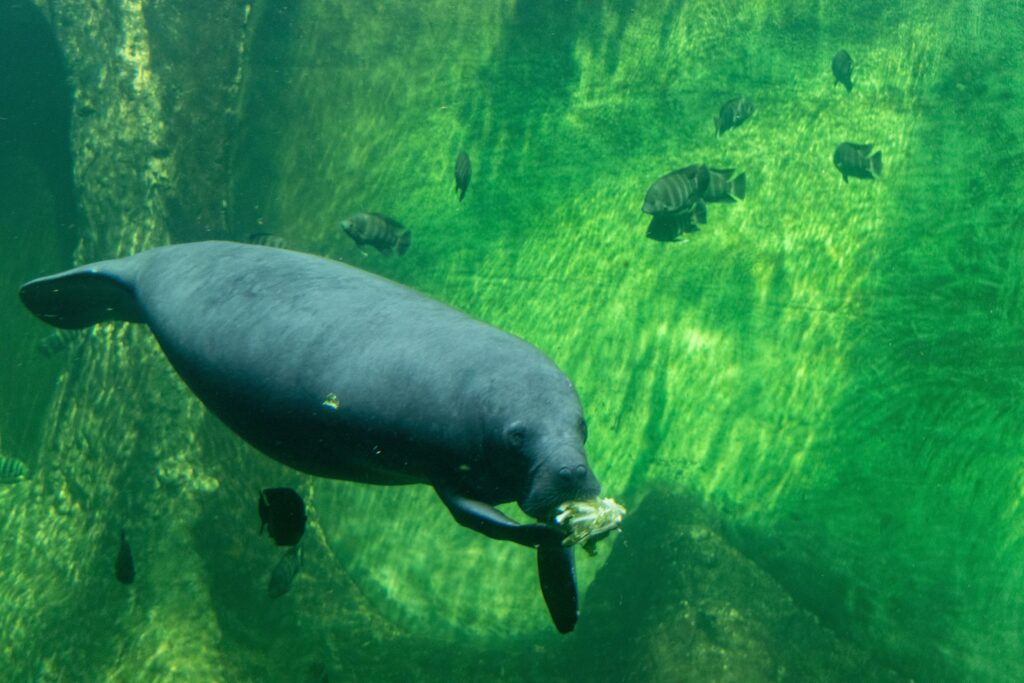
If there’s one marine animal that can instantly make me smile, it’s a manatee. There’s just something about their big, round bodies, adorable whiskered faces, and peaceful personalities that makes them impossible not to love. They’re often called the gentle giants of the water, and I think that describes them perfectly. While they might not be the fastest or most graceful swimmers in the ocean, they have a special kind of charm that makes them one of my favorite marine mammals to talk about.
November is Manatee Awareness Month, especially in Florida, where these lovable animals are such an important part of the state’s waterways and marine ecosystems. It’s also a particularly important time of year for them. As the weather begins to cool, manatees start making their way toward warmer waters, including Florida’s natural springs. Unlike whales and dolphins, manatees do not have a thick layer of blubber to help keep them warm. When water temperatures drop below about 68°F (20° C), they can become vulnerable to cold stress, which can be life-threatening. That’s why having safe places to spend the winter is so important for their survival.
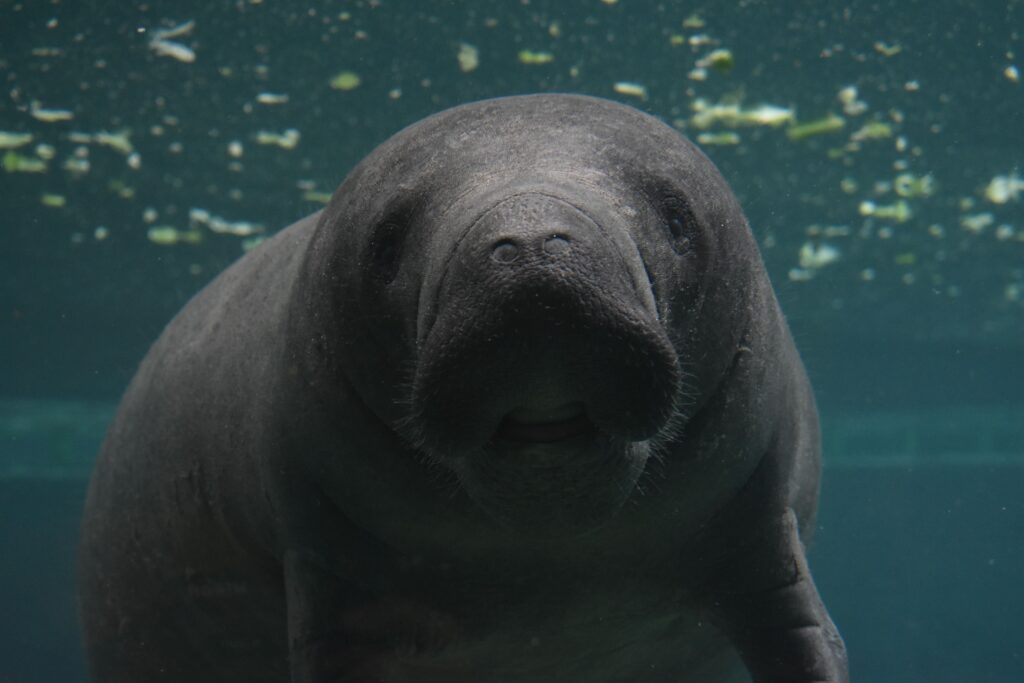
One of my favorite things about manatees is how different they are from what people might expect when they think of large marine mammals. Despite weighing hundreds or even more than a thousand pounds, these animals are herbivores! Their diet consists mainly of seagrasses and other aquatic vegetation, which is how they earned the nickname “sea cows.” They spend much of their day grazing, resting, and slowly moving through the water. But their love for aquatic plants actually serves a much bigger purpose. By grazing on vegetation, manatees help maintain healthy aquatic habitats that support countless other species.
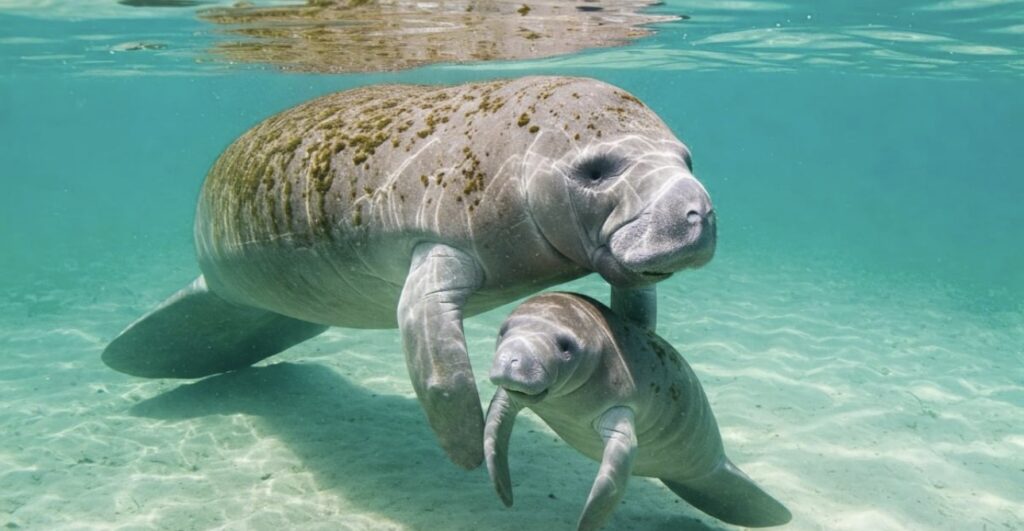
Something else I find fascinating is the relationship between mother manatees and their calves. A mother typically gives birth to just one calf, and that baby may stay by her side for up to two years, learning where to find food, navigate waterways, and seek out warm-water habitats. It’s a reminder that these animals have so much more going on in their lives than we might realize when we see them floating peacefully at the surface.
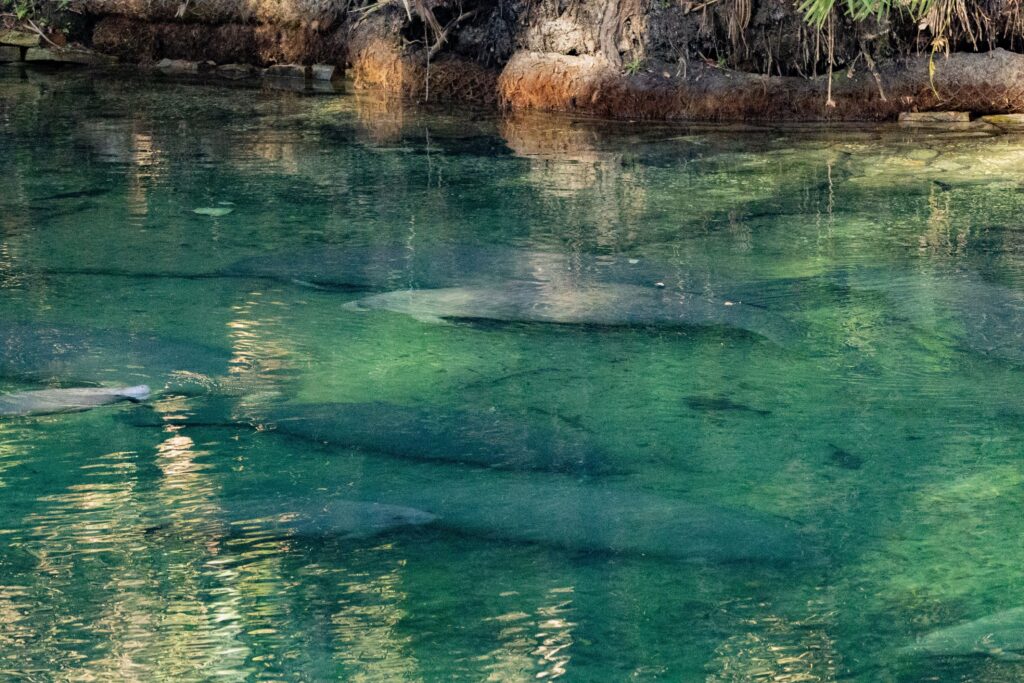
Unfortunately, being gentle doesn’t protect manatees from the dangers they face. Boat collisions are one of their biggest threats, especially because manatees often swim close to the surface and can be difficult for boaters to spot. Habitat loss, water pollution, and declining seagrass beds have also created serious challenges. When the underwater plants they depend on disappear, finding enough food becomes much harder. And as coastal areas continue to develop, protecting the warm-water habitats they need during winter becomes even more important.
The good news is that people and organizations are working every day to give manatees a better future. From rescue and rehabilitation teams to conservation groups, people put a lot of effort into protecting these animals, restoring habitats, and educating the public. Even simple things like following posted boating speed limits, giving manatees their space, and never feeding or disturbing them can make a difference.
For me, manatees are one of those animals that remind us why marine conservation matters so much. They aren’t fierce predators or animals that demand attention. They’re gentle creatures trying to survive in the waters they’ve called home for generations. And I think that’s more than enough reason to care about protecting them.
This November, I hope more people take a moment to learn about these incredible animals and the challenges they’re facing. Whether it’s supporting manatee conservation, sharing information, or being more mindful on the water, every little effort matters.