
Ghost Fishing: The Nets That Never Stop Fishing
By: Allison Shaffer
Zen4Blue Ocean Research Author
October always makes me think about all the things hiding beneath the surface. Maybe it’s because of Halloween, but there is something about the ocean that already feels a little mysterious and spooky. There are creatures we are still discovering, places we have barely explored, and things we have left behind that keep moving through the ocean long after we are gone. One of those things is ghost fishing.
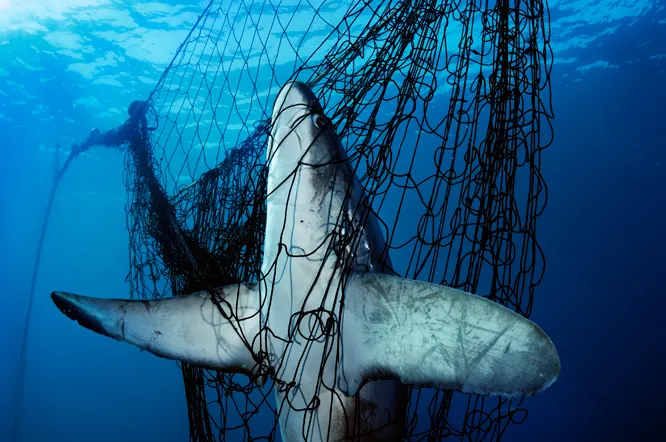
Ghost fishing happens when fishing gear is lost, abandoned, or discarded in the ocean and keeps catching marine life on its own. Nets, lines, traps, and other gear can keep doing exactly what they were designed to do, even though no one is there to check them or remove what they catch. And honestly, I think that is what makes ghost fishing so heartbreaking.
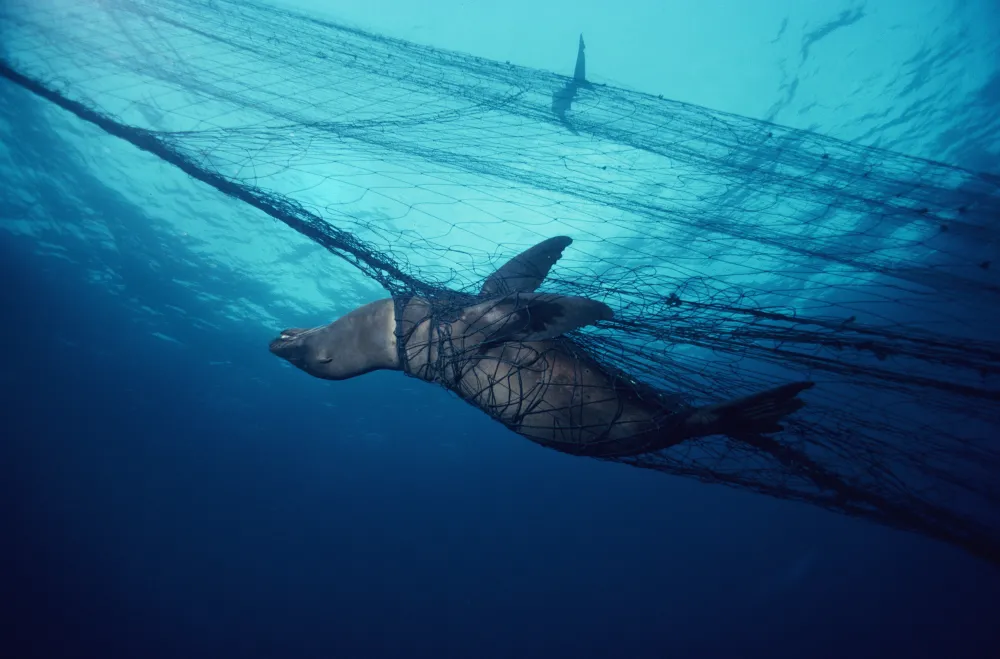
Imagine being a sea turtle swimming through the ocean and coming across a fishing net that you have no idea is even there. Or a seal, fish, shark, seabird, or even a whale becoming tangled in something that was never meant to catch them. The animal doesn’t know that the gear has been abandoned. To them, it is just another part of their environment.
The scary part is that the net doesn’t stop after catching one animal. It can continue trapping animals over and over again. Some lost fishing gear can drift through the ocean, become tangled on reefs, or collect with other debris, creating an even larger problem.
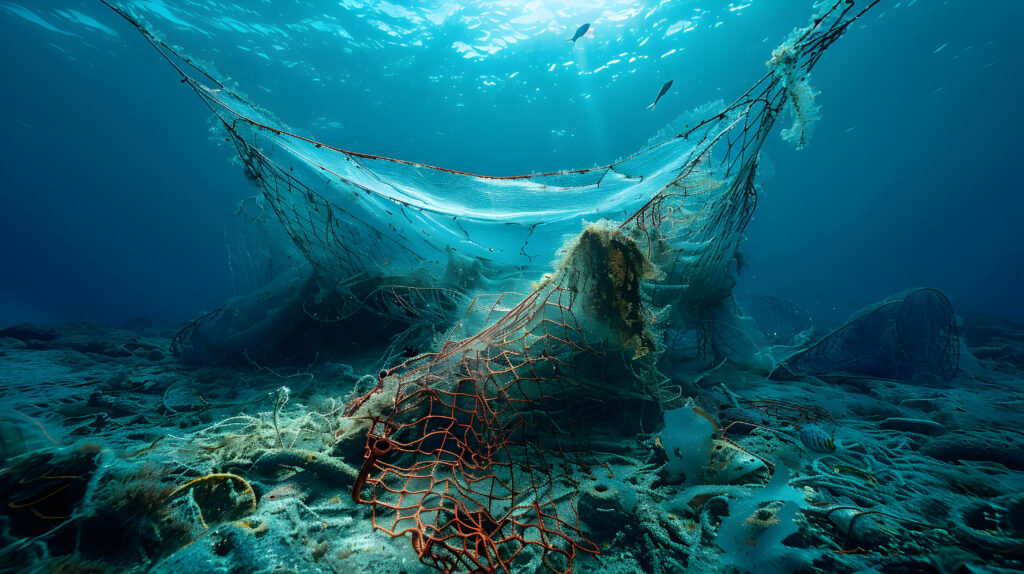
Ghost nets can also damage the places marine animals call home. When a net becomes wrapped around a coral reef, it can break, scrape, or cover the coral underneath. And because coral reefs grow so slowly, damage that might seem small to us can have much bigger consequences for an entire ecosystem.
When we talk about ocean pollution, we typically picture plastic bottles, straws, or things we see washing up on the beach. Those things absolutely matter, but marine debris can look very different. Sometimes the biggest problem is almost impossible to see from the surface.
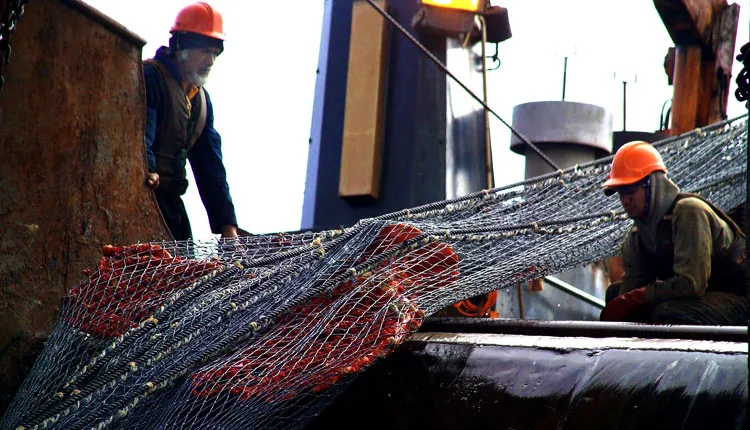
The good news is that ghost fishing is something we can actually do something about. Organizations, scientists, divers, and fishermen are working to find and remove lost fishing gear and to prevent gear from being lost in the first place. NOAA (National Oceanic and Atmospheric Administration) has even helped collect millions of pounds of derelict fishing gear from locations around the United States.
This gives me hope, because protecting the ocean isn’t always about doing one huge thing. Sometimes it is about finding the problems that are happening quietly and making sure they don’t stay hidden.
This month, I want to challenge you to think about what might be happening beneath the surface. The ocean doesn’t stop being affected just because we can’t see it. And sometimes, the things we can’t see are the things that need our attention the most.
